
The 2026 Nobel Prize in Chemistry: The Secret of Mirror-Image Molecules and the Future of Pharmaceutical Science
The 2026 Nobel Prize in Chemistry: The Secret of Mirror-Image Molecules and the Future of Pharmaceutical Science
When Molecules Choose Between Two Mirror Images
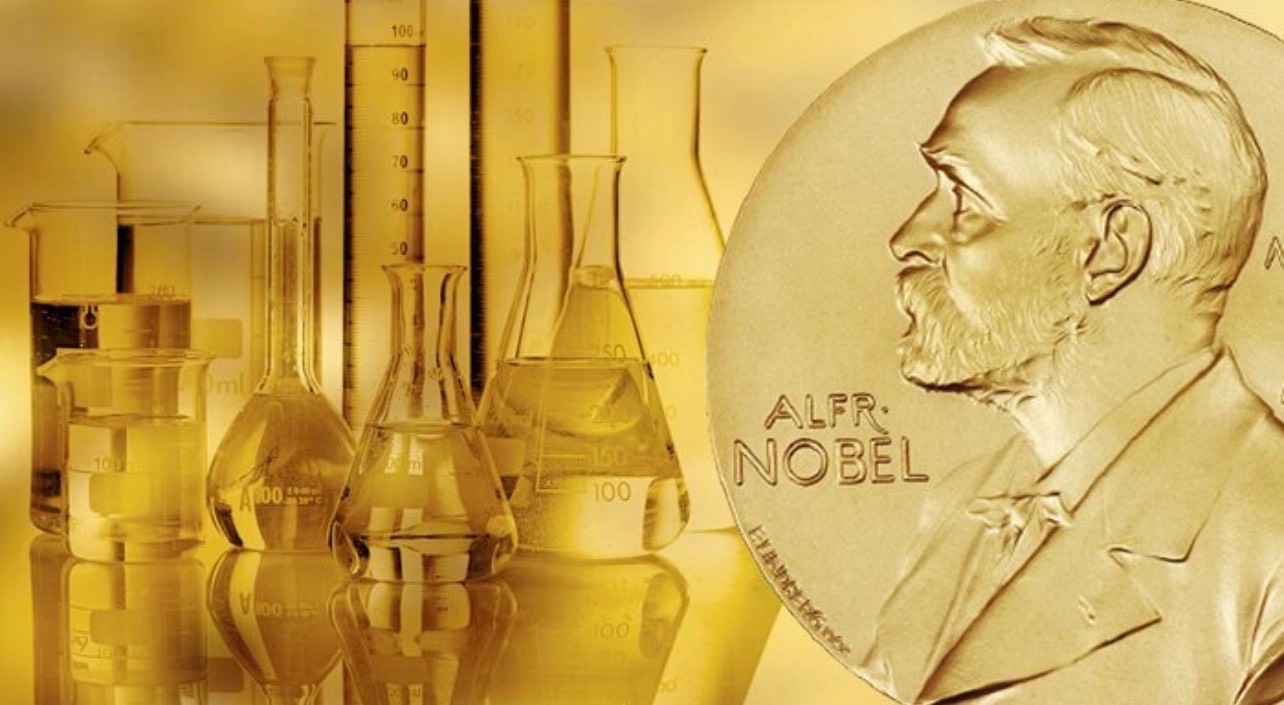
One of the most fascinating questions in chemistry is why many molecules found in nature, despite being capable of forming two mirror-image structures, predominantly occur in one specific spatial form.
The 2026 Nobel Prize in Chemistry was awarded to Henri B. Kagan and Kenso Soai for their discovery of nonlinear effects and autocatalysis in asymmetric organic synthesis. Their work has contributed to a better understanding of how molecular asymmetry develops.
Molecular chirality is a property in which two mirror-image forms of the same molecule, despite having identical chemical formulas, may exhibit different behaviors in biological systems. This distinction is particularly important in the pharmaceutical industry, as the spatial arrangement of molecules can influence how they interact with receptors and enzymes in the human body.
Asymmetric catalysis enables chemists to favor the formation of one of these two forms over the other, helping them selectively synthesize chemical compounds. In this context, the Soai reaction is a well-known example of asymmetric autocatalysis—a process in which the product of a reaction can promote the formation of more product with a similar spatial configuration.
The significance of this research extends beyond drug production. It may also contribute to the development of novel organic synthesis methods, the optimization of chemical processes, and the investigation of fundamental questions concerning the origin of asymmetry in biological molecules.
These achievements demonstrate how a subtle difference in the three-dimensional structure of molecules can have far-reaching implications for science, human health, and pharmaceutical technologies.
Meet the 2026 Nobel Laureates in Chemistry
Henri Boris Kagan is a French chemist born in 1930 in Boulogne-Billancourt, France. He received his doctorate from the Collège de France in 1960 and is recognized as an emeritus professor at the University of Paris-Sud, now part of Paris-Saclay University, located in the Paris region of France. The university's current Vice President for Research is also an Iranian scholar specializing in physical chemistry.
Kagan is one of the pioneers of asymmetric catalysis. His research on nonlinear effects in chemical reactions has played an important role in advancing methods for controlling the stereoselectivity of molecules.
Kenso Soai is a Japanese chemist born in 1950 in Hiroshima, Japan. He received his doctoral degree from the University of Tokyo in 1979 and is an emeritus professor at Tokyo University of Science.
Soai's scientific reputation is particularly associated with the discovery and development of the Soai reaction, a prominent example of asymmetric autocatalysis. This reaction demonstrates how an initial molecular asymmetry can be amplified under suitable conditions.
These two scientists jointly received the 2026 Nobel Prize in Chemistry for their discovery of nonlinear effects and autocatalysis in asymmetric organic synthesis.
